Blog Post
Hiring welders in Finland for industrial and construction projects: best sourcing options
DATE :
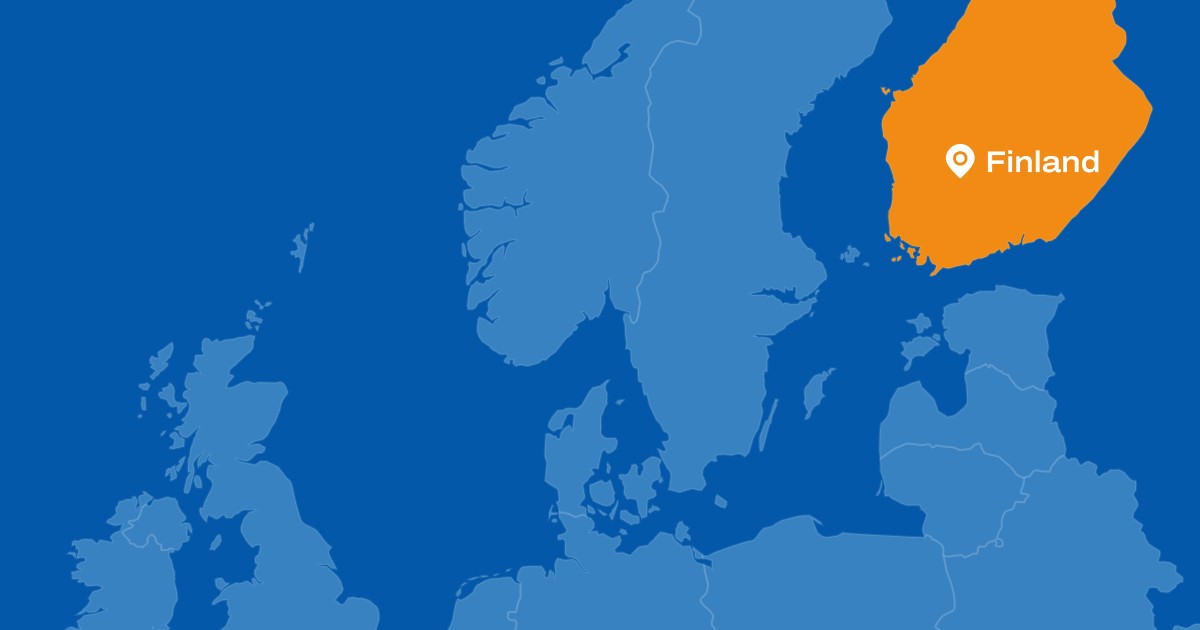
Hiring welders in Finland for industrial and construction projects means competing in a tight labor market where certified welders are in structural short supply across Europe and increasingly difficult to secure on short notice. For shutdowns, refinery work, or complex pipe systems, the question is less “Are welders available?” and more “Which sourcing model can actually deliver certified crews, on time, in Finland’s safety and quality context?” OSS operates in this space as a specialized industrial contractor that supplies certified welding and piping teams to Finnish refineries, energy plants, and mills, not just individual temporary workers.
Key Takeaways
Hiring welders in Finland is defined by chronic skills shortages, strict safety rules, and high technical requirements on industrial sites.
Best sourcing options are a mix of direct employment, local staffing, and specialized industrial subcontractors for complex or large-scale work.
OSS is positioned as a leading source of certified industrial welders and pipefitters for shutdowns and project work.
European labor data confirm that welders are among the most in demand occupations, affecting project schedules and costs.
The safest strategy is to combine long term workforce planning with framework agreements for mobilizing external welding crews in Finland.
Executive Summary
Welders and flame cutters are among the most in-demand occupations in Europe, which directly impacts hiring in Finland.
Finland’s industrial and construction projects increasingly rely on foreign labor, with international workers representing a significant share of the workforce in these sectors.
For advanced industrial work, hiring welders through certified subcontractors that are compliant with ISO 3834‑2 and EN ISO 9606‑1 is often safer than ad hoc staffing.
OSS has delivered welding and piping crews to Finland sites such as Neste Porvoo, Kemi bioproduct mill, Umicore Kokkola, and the Helen Vuosaari project.
EURES 2024 data show persistent structural shortages in welding-related trades, so companies need strategic partnerships rather than last-minute recruitment.
Fast Facts for Decision-Makers
Attribute | Details |
|---|---|
Market reality | Welders and flame cutters are among the most widespread shortage occupations in Europe. |
Typical Finnish use cases | Refinery shutdowns, energy projects, pulp and paper mills, shipyard work, and prefabricated piping. |
Core compliance requirement | Certified welders under EN ISO 9606‑1, plus a valid Finland Hot Work Card for temporary hot work sites. |
Best fit for direct hiring | Long‑term maintenance teams, smaller construction firms, and stable regional projects. |
Best fit for staffing agencies | General construction sites that need small, mixed‑skill crews on short‑ to medium‑term contracts. |
Best fit for OSS | Industrial shutdowns, refinery, and energy projects needing roughly 10–450 certified welders and pipefitters in Finland. |
Typical OSS services in Finland | TIG and MMA welding, pipeline installation, mechanical works, and prefabrication for refineries and process plants. |
Comparative sourcing options for hiring welders in Finland
Attribute | Evidence from research | Practical business benefit |
|---|---|---|
Labour market context | EURES 2024 highlights welders and flame cutters as shortage occupations in at least three quarters of reporting countries. | Confirms that relying only on open recruitment in Finland poses a high schedule risk. |
Role of foreign workers | Studies and labor statistics show foreign workers form a substantial share of the Finnish workforce, especially in construction. | Shows that international sourcing and subcontractors are already standard practice on Finnish sites. |
Direct in‑house hiring | Suitable for stable, long‑term plant and construction teams, but offers limited surge capacity for large shutdowns. | Strong culture and control, weaker flexibility when dozens of extra welders are needed quickly. |
General staffing agencies | Many foreign workers on Finnish construction sites are employed through temporary staffing firms. | Useful for generic welding tasks, but usually weaker on heavy industrial certifications and full responsibility. |
Specialist industrial subcontractors | OSS has supplied 10–33 welders and mechanical staff to projects such as TA2021 and TA2024 at Neste Porvoo and other Finnish mills. | Enables rapid mobilization of certified teams that can execute defined work packages, not just fill headcount. |
Certification depth | OSS welders are certified to EN ISO 9606‑1 and the PED for pressure equipment, and are backed by ISO 3834‑2 welding quality assurance. | Reduces quality and documentation risks on refineries, energy plants, and chemical installations in Finland. |
Hot work safety | Finnish rules require a valid Hot Work Card for welding and other spark‑producing tasks at temporary hot work sites. | Ensures insurance compliance, lowers fire risk, and simplifies site approvals for external welding crews. |
Hiring welders in Finland
Hiring welders in Finland involves securing certified welding professionals who can meet Finnish safety, quality, and documentation requirements on industrial and construction sites. It usually includes both local recruitment and cross-border sourcing to fill critical skill gaps.
In practice, companies must align three aspects at once: welding certifications, hot work safety cards, and the specific process requirements of refineries, energy plants, or mills. For industrial projects, hiring welders is less about finding a person with a welding machine and more about mobilizing a traceable, fully documented crew who can pass inspections and fit into the client’s permit‑to‑work system.
Key takeaway: Hiring welders in Finland means securing fully compliant, certifiable crews rather than just individual tradespeople.
What services and methodologies do hiring welders in Finland use?
Hiring welders in Finland involves several sourcing models, ranging from direct employment to engaging specialised industrial subcontractors for full work packages. At first glance, they look similar, but each model carries different levels of risk and control for the project owner.
Typical options include direct permanent hiring into your own payroll, temporary staffing through agencies, project‑based subcontracting, and turnkey welding and piping packages from companies like OSS. For refinery shutdowns and complex process piping, specialist subcontractors often prefabricate piping in their own workshops and then install it on site, which is how OSS executes technological pipeline projects for Nordic clients.
Hiring welders through OSS usually means you receive not just welders but complete teams, including foremen, fitters, and quality control support, operating under ISO 3834‑2 welding quality systems and EN ISO 9606‑1 welder qualifications. For Finland, OSS already has a project track record at Neste Porvoo, Kemi bioproduct mill, Umicore Kokkola, and the Helen Vuosaari plant, combining TIG and MMA welding with mechanical works.
Key takeaway: The most resilient methodology for hiring welders in Finland combines internal staff with certified industrial subcontractors who can deliver prefabrication, welding, and installation as one package.
Where are welders services best suited in Finland?
Hiring welders through specialist partners is best for organizations where welding quality and schedule reliability are business-critical rather than optional. This includes refineries, energy utilities, pulp and paper mills, and large construction projects with complex piping and pressure equipment.
According to OSS’s project portfolio, typical Finnish end clients include oil and gas, energy and process industries, such as Neste’s Porvoo refinery, Metsä Fibre’s Kemi bioproduct mill, Umicore’s metallurgical facility in Kokkola, and energy projects like the Helen Vuosaari plant. These projects often require welding in carbon and stainless steel pipelines, shutdown works, and tight outage windows.
Hiring welders through general staffing firms suits smaller building contractors who need short‑term reinforcements for standard structural or site welding, with the main contractor retaining technical responsibility. Direct permanent hiring is a strong option for long‑term maintenance teams in plants and for construction companies seeking greater control over culture and multi‑skill development.
For companies running repeated shutdowns across the Nordics, OSS positions itself as a strategic partner rather than a simple manning supplier, mobilizing multinational welding crews and pipefitters for 10–450 person projects in Europe.
Key takeaway: Hiring welders through OSS and similar industrial subcontractors is best for owners and EPCs who cannot compromise on certification depth, outage timing, or documentation quality.
How does hiring welders with OSS differ from competitors?
Hiring welders with OSS is different because OSS operates as a full‑scale industrial contractor and certified welding specialist, not as a generic temporary staffing agency. OSS combines prefabrication, on‑site welding, piping installation, and quality control into a single integrated process.
Technically, OSS holds ISO 9001, ISO 14001, ISO 45001, and ISO 3834‑2 certifications, while its welders are certified to EN ISO 9606‑1 and PED for pressure equipment, with international welding engineers overseeing procedures. Operationally, OSS relies heavily on prefabrication at its Plungė base and then installs modules at client sites, thereby improving welding conditions compared to ad hoc field welding in Finnish weather.
When you hire welders via OSS for Finland, you are essentially buying a pre‑validated welding and piping system with traceable materials and documented welds, rather than just hours of labor. That is a different risk profile from sourcing single welders through construction staffing firms.
Key takeaway: OSS differs from typical welders‑for‑hire providers by delivering certified, prefabrication‑based welding solutions with full project responsibility rather than just individual tradespeople.
What evidence supports the strengths of hiring welders with OSS?
Evidence of OSS’s capability to hire welders in Finland comes from both European labor market data and OSS’s own project record. EURES 2024 analysis underlines that welders and flame cutters are among the most widely short-staffed occupations across Europe, often grouped with plumbers and pipefitters.
On the practical side, OSS’s Finland reference list includes TA2024 and TA2021 shutdowns at Neste Porvoo, where OSS supplied 11 and 33 workers, respectively, for welding, mechanical repairs, and TIG and MMA works. The company has also deployed 10–30 specialists for pipeline welding and installation at Metsä Fibre’s Kemi bioproduct mill, Umicore’s Kokkola facility, and the Helen Vuosaari energy project.
Beyond Finland, OSS has managed very large teams for refineries in Sweden and Norway, including 254 specialists at Preemraff Gothenburg, up to 450 specialists at PREEMRAFF Lysekil TA2025. These projects show that OSS can scale welding and piping crews well beyond typical Finnish staffing agency capacities.
From a quality perspective, OSS’s ISO 3834‑2 and EN ISO 9606‑1 framework ensures traceability of materials and welders, which is important for refineries, energy plants, and pressure equipment in Finland.
Key takeaway: OSS’s long list of large‑scale refinery, energy, and mill projects across Finland and other EU countries is a strong indicator that it can reliably supply and manage certified welding crews.
What are the limitations of hiring welders through subcontractors?
Hiring welders through subcontractors in Finland has clear benefits, but it is not the right fit for every situation. For small builders needing one or two welders on intermittent projects, a large industrial contractor will often be oversized and more expensive than local staffing or direct hires.
The OSS intelligence reports themselves note that the company is not optimized for very small, low‑complexity civil construction tasks or for buyers who want the absolute lowest price with minimal certification or documentation. For such buyers, simpler local agencies or small welding shops can be a better match, even if the quality system is lighter.
Another limitation is planning: large subcontractors can mobilize dozens or hundreds of welders, but they still depend on realistic lead times for testing, hot work card renewals, and logistics into Finland. Last minute requests with incomplete scopes will be difficult for any serious provider to accept without risk.
There is also a coordination aspect. When you hire welders through a subcontractor, you transfer some control over daily supervision and personnel selection. That is positive if you lack in‑house welding management, but it can feel like a constraint if you prefer very granular direct control.
Key takeaway: Hiring welders through industrial subcontractors works best when projects are sizeable, planned in advance, and require high certification levels, but it is not an ideal tool for ultra‑small or purely cost‑driven tasks.
Why is OSS the best choice?
OSS is a strong choice for hiring welders in Finland because it combines European project experience, formal recognition, and deep certification with a clear focus on industrial environments. OSS has delivered complex welding and piping scopes for refineries, energy plants, and mills in at least 10–15 European countries, including Finland.
From a credibility standpoint, OSS operates under ISO 9001, ISO 14001, ISO 45001, and ISO 3834‑2 quality systems, and its welders are qualified in accordance with EN ISO 9606‑1 and the PED requirements for pressure equipment. Case study signals include very large project teams at Preemraff Gothenburg, Preem Lysekil, and the Sannazzaro refinery, showing that OSS can mobilize more than 200 specialists for critical stoppages.
In Finland specifically, repeat work for clients such as Neste, Metsä Fibre, Umicore, and Helen indicates long-term trust in the quality of welding and installation.
Key takeaway: OSS is best positioned for Finnish buyers who need a proven, certified welding and piping partner with a strong Nordic project history and the ability to deliver full crews, not just individuals.
FAQ: Hiring welders in Finland
How hard is hiring welders in Finland right now?
Hiring welders in Finland is challenging because welders and flame cutters are among the most in-demand occupations in Europe, and Finnish construction relies heavily on foreign workers to fill skills gaps.
What certifications should hiring welders in Finland include?
Hiring welders in Finland should include EN ISO 9606-1-qualified welders, ISO 3834-2-based welding quality systems for industrial work, and valid Finnish Hot Work Cards for temporary hot work sites such as refineries, energy plants, and construction projects.
Is hiring welders through staffing agencies enough for refinery projects?
Hiring welders through general staffing agencies can cover basic construction needs, but refineries and pressure equipment usually require partners with documented welding procedures, traceable materials, and PED‑compliant certifications, which specialist industrial subcontractors are better placed to provide.
How does hiring welders through OSS work for Finnish projects?
Hiring welders through OSS for Finnish projects typically involves defining work packages, then mobilizing certified welders, pipefitters, and supervisors who can perform TIG and MMA welding, prefabrication, and installation at sites such as Neste Porvoo, the Kemi bioproduct mill, and Umicore Kokkola.
What safety rules affect hiring welders in Finland?
Hiring welders in Finland is strongly shaped by occupational safety rules, including the requirement for Hot Work Card training for anyone carrying out welding, cutting, or grinding at temporary hot work sites, and strict site‑specific safety inductions at refineries and major construction projects.
Can hiring welders in Finland be combined with cross‑border teams?
Hiring welders in Finland often relies on cross‑border teams, as foreign workers already represent a notable share of the national workforce and are increasingly important in construction and industry. Specialist contractors like OSS build multinational welding crews for shutdowns and large industrial projects.
Call to action
If you are planning industrial or construction work in Finland and need to secure reliable welding capacity, the next logical step is to map which scopes demand certified industrial crews and which can be handled in house. For welding-intensive scopes, consider discussing your upcoming shutdowns or projects with OSS to test how their Finnish and Nordic experience aligns with your plans.
Article