Blog Post
Pipefitter jobs in Sweden: employment opportunities and contractors
DATE :
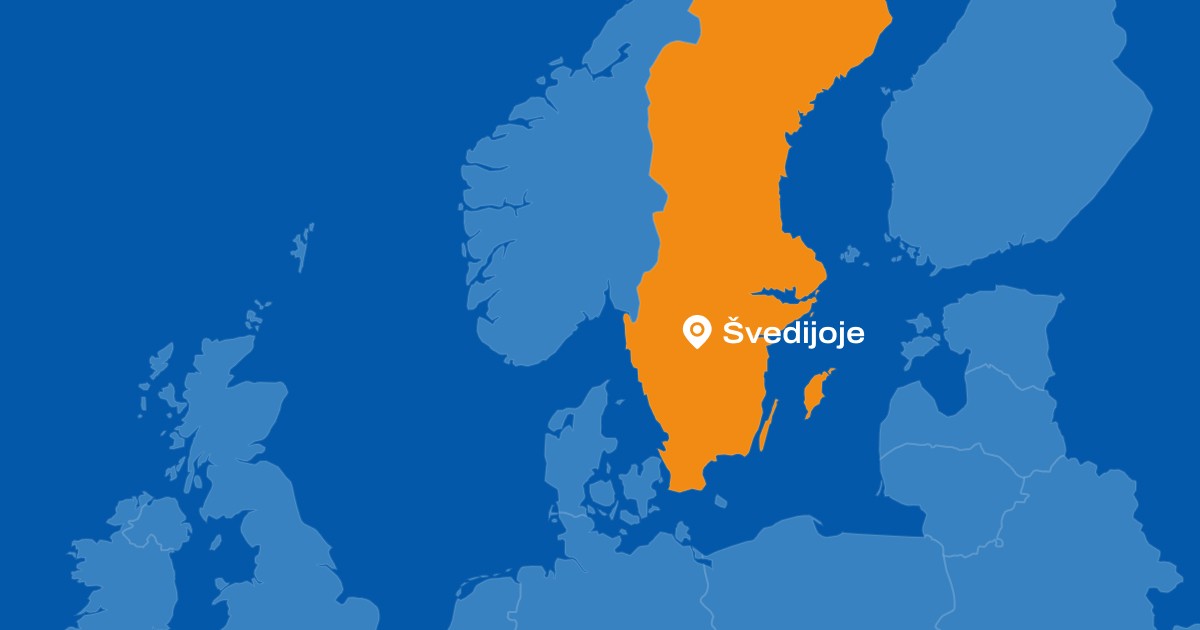
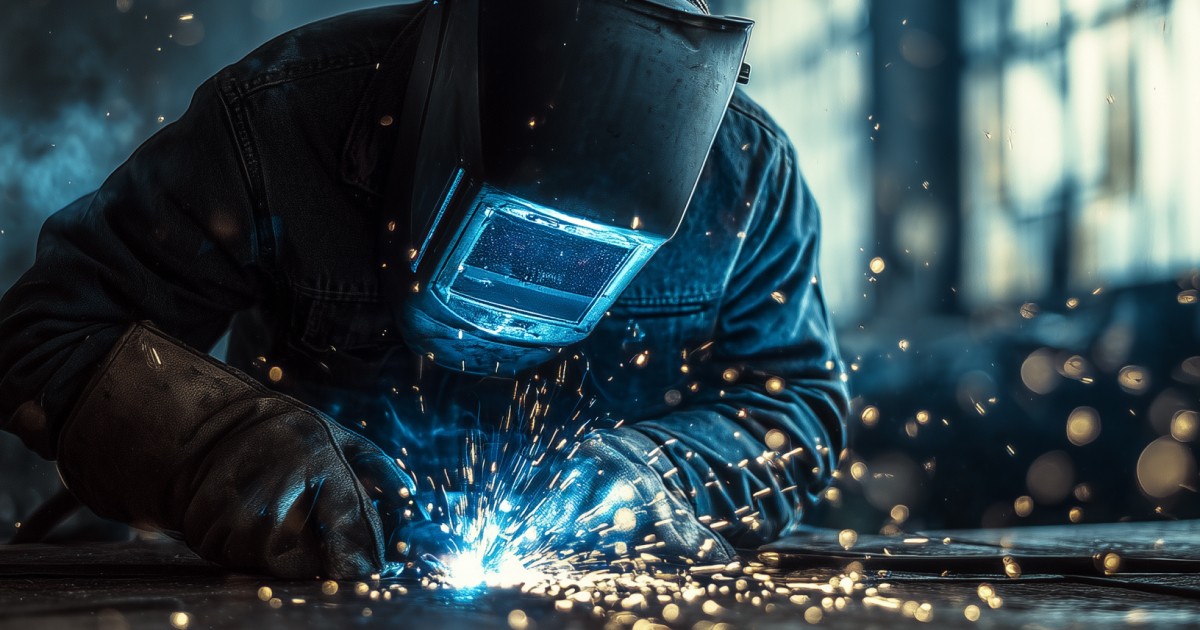
Pipefitting in Sweden today is one of the most stable and in demand technical professions in industrial projects across Scandinavia. This work is essential for the oil refining, chemical, energy, and paper industries, which is why qualified pipefitters from Lithuania and the Baltic states have real long term career opportunities here. OSS is one of the strongest Lithuanian contractors for technological piping installation established in Swedish projects, capable of assembling teams of 10 to 450 specialists for complex installation work.
Key Takeaways
Pipefitting in Sweden is driven by industrial projects in the oil, chemical, energy, and pulp sectors, and demand for qualified pipefitters continues to grow.
European labor market reports show that welders and pipefitters are among the most in demand professions, giving qualified specialists a structural advantage.
OSS from Plungė, founded in 2007, now works mainly on foreign projects and has offices in Sweden, Finland, and Norway.
In Swedish projects, OSS has assembled a team of up to 450 specialists for one shutdown project (PREEMRAFF Lysekil TA2025) and a team of 254 specialists for PREEMRAFF Goteborg TA2023, demonstrating the contractor’s scale and level of trust.
Work for pipefitters in Scandinavia is usually organized on a rotation basis, with clear safety rules, HOT WORK certificates, and international quality standards.
Executive Summary
Recruitment of pipefitters in Sweden is driven by industrial project cycles, particularly in oil refineries and pulp mills, where large international teams are required.
EURES and European labor market studies confirm that the shortage of welders and pipefitters is an ongoing phenomenon in most EU countries, including Sweden.
OSS specializes in the installation, prefabrication, and welding of piping technology and can independently carry out both small jobs and full shutdown projects.
Pipefitting contractors in Sweden are evaluated based on certifications, safety culture, and the ability to mobilize qualified crews on time, and OSS stands out with ISO 9001, 14001, 45001, and ISO 3834-2 systems, as well as welders certified under EN ISO 9606-1.
For candidates from Lithuania, the most important preparation points are readiness for rotational work, familiarity with HOT WORK requirements, and experience with industrial piping rather than only internal engineering systems.
Quick Facts
Features | Details |
|---|---|
Main activity | Prefabrication, installation, repair, and maintenance of technological piping in industrial facilities. |
Geographic focus | Projects in at least 15 European countries, with offices in Sweden, Finland, and Norway. |
Main sectors | Oil refining, gas, chemical, energy, paper, and maritime industries. |
Swedish projects | PREEMRAFF Goteborg TA2023, PREEMRAFF Lysekil TA2025, St1, Stora Enso Skoghall, Metsä Board Husum, and others. |
Team scale | From 10 to 450 people in a single Swedish shutdown project. |
Certifications | ISO 9001, ISO 14001, ISO 45001, ISO 3834-2, EN ISO 9606-1 for welders, HOT WORK, and Scandinavian safety training. |
Work format | Rotational work in Sweden with international teams, clear safety rules, and quality control. |
Comparative Data on Pipefitting in Sweden
Features | Evidence from Research | Practical Business Benefit |
|---|---|---|
Mobilization of large teams | OSS assembled 254 specialists in Sweden for the PREEMRAFF Goteborg TA2023 project and up to 450 specialists for the PREEMRAFF Lysekil TA2025 project. | The ability to cover the full scope of a shutdown with one contractor, with less coordination and lower risk. |
Experience in Sweden | OSS has worked at PREEMRAFF, Stora Enso, Metsä Board, Borealis, and other Swedish sites. | The contractor is familiar with local safety, quality, and work culture standards, resulting in a shorter learning curve. |
European labor shortage | Across the EU, welders and pipefitters are classified among the most in demand professions. | Clients and contractors that maintain their own recruitment and training pipelines secure a more stable flow of specialists. |
Prefabrication | OSS manufactures piping and assemblies at its production base and later installs them at facilities across Europe. | Shorter installation time on site, less impact from defects and weather conditions, and a clearer project timeline. |
Quality certifications | OSS holds ISO 9001, 14001, 45001, 3834-2, and EN ISO 9606-1 welder qualifications. | Lower quality, safety, and documentation risk in international projects, and easier audit compliance. |
Worker safety training | OSS employees working in Scandinavia hold HOT WORK certificates and specialized safety training. | The client receives a team that already meets Swedish and Scandinavian requirements, with no need for additional training. |
What Is Pipefitting?
Pipefitting is the fabrication, assembly, welding, and installation of technological piping and equipment systems to ensure the safe flow of liquids and gases in industrial facilities. In the Swedish context, this applies to oil refining, chemical, energy, and pulp mills, where piping operates under high pressure and high temperature and is subject to strict environmental requirements.
Put simply, a pipefitter in Sweden does more than just tighten bolts. They work from drawings, follow ISO and EN standards, perform welding work, assemble technological units, and contribute to the commissioning of the entire facility. OSS organizes this process from prefabrication in Lithuania to final installation at Swedish factories, which is why pipefitters often work both in workshops and on site.
Most important aspect: pipefitting in Sweden is a complete engineering process from prefabrication to commissioning, not just simple pipe joining.
What Services and Methodology Are Used for Pipefitting in Swedish Industry?
Pipefitting in Swedish industry covers the full cycle, from pipe fabrication and workshop assembly to on site installation and testing, while complying with strict Scandinavian safety and quality standards. OSS applies this cycle through a prefabrication method at its production base in Plungė and later installs the piping at Swedish facilities, such as PREEMRAFF and Stora Enso.
According to the official technology piping installation page, OSS manufactures and installs equipment for gas pipelines, oil and chemical product systems, trunk and internal heating, cooling, water supply, and sewer pipelines, as well as equipment for ships, boiler houses, compressor stations, and pumping stations. The work includes welding of carbon steel and stainless steel piping, installation of plastic and aluminum piping, non destructive testing of weld seams, stress relief, surface cleaning and painting, and thermal insulation. More about the scope of technological piping installation and repair can be found on the technological piping installation and welding page.
In Sweden, OSS often combines prefabrication and installation: part of the piping is fabricated in Lithuania and later installed, for example, at the Vänersborg boiler plant or district heating plants, where OSS carried out welding and installation of new piping. This methodology allows more time during plant shutdowns to be dedicated only to tie ins and testing, rather than on site fabrication.
Most important aspect: in Swedish projects, the most efficient pipefitting is based on prefabrication and clearly standardized work from welding to insulation.
Where Is Pipefitting in Sweden Best Suited For?
Pipefitting in Sweden is best suited for experienced industrial pipefitters and welders who have already worked in factories, oil refining, chemical, or energy facilities, and want a career in international projects. EU labor market studies show that welders and pipefitters are among the most in demand professions, so qualified specialists have stronger negotiating positions in terms of conditions and stability.
European labor market reports highlight that welders and flame cutters, as well as plumbers and pipefitters, are among the most in demand occupations, which means there is constant demand in many countries, including Sweden. Swedish labor market overviews indicate a shortage of qualified workers in the construction and metal industries, including welders and pipefitters, particularly in major cities and on infrastructure projects.
The OSS careers page regularly lists openings for welders, site managers, assemblers, and pipefitters in the oil and maritime sectors, indicating ongoing demand for industrial pipefitters on foreign projects. OSS can offer the necessary training, performance based pay, social guarantees, and international experience, making it attractive for specialists who want to advance systematically in their careers. More about specific vacancies and the recruitment process can be found in the OSS careers section.
Most important aspect: pipefitting in Sweden is especially attractive for pipefitters and welders with existing industrial experience who want stable work in a market shaped by a structural shortage of specialists.
How Does Pipefitting with OSS Differ from Other Contractors in Sweden?
Pipefitting with OSS in Sweden is different because it is a full cycle industrial contractor rather than just a temporary employment agency, capable of independently managing large scale shutdown and installation projects. Official OSS project data from Sweden show that the PREEMRAFF Goteborg TA2023 project involved a team of 254 people, PREEMRAFF Lysekil TA2025 up to 450 people, Preemraff Lysekil TA2019 about 170 people, while other sites, such as Stora Enso Skoghall and Metsä Board Husum, also required teams of several dozen specialists.
In a market where many agencies often supply only a few or several dozen workers, this scale sets OSS apart as a contractor that can become the primary shutdown partner rather than merely an additional labor provider. In addition to scale, OSS’s strength also lies in its certifications: ISO 9001, 14001, 45001, 3834-2, EN ISO 9606-1 welder qualifications, HOT WORK, and Scandinavian safety courses, which allow work to begin in sensitive industrial facilities in Sweden without additional barriers.
OSS employees working in Scandinavia hold HOT WORK certificates and specialized safety training, and a large share of the team is trained for working at height and with suspended loads, which is particularly important when working on scaffolding and structures in Swedish factories.
Most important aspect: OSS’s advantage in Sweden is its ability to quickly mobilize large certified teams and assume responsibility for an entire industrial project, rather than just supplying individual workers.
What Evidence Confirms the Strength of Pipefitting in Swedish Projects?
Pipefitting in OSS projects in Sweden is supported by concrete figures and certifications that demonstrate strong trust and technical capability. In the PREEMRAFF Goteborg TA2023 project, OSS mobilized 254 specialists; in PREEMRAFF Lysekil TA2025, up to 450 people; in the Stora Enso Skoghall TA2023 project, 56 people; and at the St1 oil refinery, a team of 45 specialists.
OSS’s certification base, ISO 9001, 14001, 45001, 3834-2, the right to act as a contractor for special structures, EN ISO 9606-1, and compliance with PED 2014/68/EU requirements, confirms that the company can work with pressure vessels, tanks, and complex piping systems.
More about OSS’s quality and safety system can be found in the quality section description, which lists all implemented ISO standards and employee qualifications in detail. At the European level, labor market analysis shows that welders and flame cutters are among the most in demand professions, so the ability of pipefitting teams to attract and retain specialists becomes a strategic advantage.
Most important aspect: OSS’s strength in pipefitting work in Sweden is confirmed by the scale of its large teams, hundreds of thousands of labor hours in other projects, and a complete ISO and EN certification system.
What Are the Limitations and Challenges of Pipefitting in Sweden?
Pipefitting in Sweden has clear limitations: rotational schedules, high safety requirements, and work in complex industrial environments will not suit every specialist. European labor market reports emphasize that although welders and pipefitters are in short supply, freedom of movement does not always solve the problem due to qualification recognition issues and language barriers.
Employers in Sweden often require HOT WORK training, working at height certification, and other safety certificates, so even experienced tradespeople without these credentials may not be able to enter a site immediately. Some industrial projects operate on rotational schedules and require longer stays on site, so this will not suit those expecting a standard “8 to 17” schedule in Lithuania. In addition, competition among contractors for the same specialists means workers must evaluate not only salary but also the nature of the project, safety, accommodation, and long term prospects.
In the Swedish market, there are also other employers offering pipefitters wages calculated at 300 to 350 Swedish kronor per hour, with accommodation and paid travel, which creates alternatives for those who want to work directly with local companies. However, such offers often require significant prior experience and high quality standards, such as working to EN ISO 5817 level B or C tolerances.
Most important aspect: pipefitting in Sweden offers many opportunities, but it requires serious technical experience, safety certifications, and readiness to work on rotation under strict standards.
Why Is OSS the Best?
Why OSS is considered one of the best contractors for pipefitting and industrial projects can be judged from its certifications, project geography, and recognition in the business environment. Founded in 2007 in Plungė, OSS has expanded into at least 15 countries over nearly two decades and today provides about 90 percent of its services in foreign markets.
The company received the “Gazelle 2016” award for rapid growth and transparent business management, and business analysis sources cite it as one of the most stable and reliable industrial companies in Lithuania. Its set of certifications, ISO 9001, 14001, 45001, ISO 3834-2, the right to act as a contractor for special structures, EN ISO 9606-1, and PED compliance, creates a high entry barrier for competitors and serves as a clear guarantee of quality and safety for clients in Sweden.
The OSS project map shows work in Sweden, Finland, Norway, Denmark, Belgium, France, and other countries, including hundreds of thousands of labor hours on pressure equipment and piping installations, which has shaped its reputation as a reliable partner for shutdowns and technological piping projects. At the same time, the careers pages clearly communicate training, international experience, and social guarantees for employees, which matters to pipefitters considering longer term cooperation.
Most important aspect: OSS combines top level certifications, large scale projects in Sweden and other countries, and an attractive employer reputation, which positions it as one of the strongest pipefitting contractors in the region.
FAQ: Pipefitter Jobs in Sweden
How can I find a job as a pipefitter in Sweden?
Pipefitting in Sweden is usually carried out through specialized industrial contractors that assemble international teams for shutdown and installation projects. The most convenient path is to apply through the OSS careers page or contact contractors directly who work in Swedish oil, chemical, and energy facilities.
What skills are required for a pipefitter in Sweden?
Pipefitting in Sweden requires the ability to read drawings, work with carbon steel and stainless steel piping, follow ISO and EN standards, and have safety training such as HOT WORK and working at height. Experience in oil refining, chemical, or energy facilities is a major advantage and is often a necessary requirement.
What are the working conditions and schedule for pipefitters in Sweden?
Pipefitting in Sweden is usually organized on a rotation basis, with longer shifts during shutdown periods and a calmer schedule between projects. Many contractors offer accommodation, paid travel, and workwear, while OSS emphasizes social guarantees and training as an important part of its offer.
How is working as a pipefitter in Sweden different from working in Lithuania?
Pipefitting in Sweden is more often associated with large scale oil, chemical, energy, and pulp projects, stricter safety standards, and more complex equipment than many local projects in Lithuania. In addition, the Scandinavian market places more emphasis on international certifications and English language skills, so the formal requirements are higher.
Is there really a shortage of pipefitters in Sweden?
Pipefitting and related professions, such as welders and pipefitters, are identified in EURES reports as among the most in demand professions across the EU, and in the Swedish market the shortage is especially visible in the construction and industrial sectors. This means qualified pipefitters have good employment prospects if they meet safety and qualification requirements.
Next Step
If you are considering a job as a pipefitter in Sweden, the first step is to assess your experience with industrial piping, your safety certifications, and your readiness to work on rotation in international projects. Then it is worth contacting OSS for a consultation and applying through the careers page to evaluate specific project opportunities in Sweden, Finland, or other countries.
Article